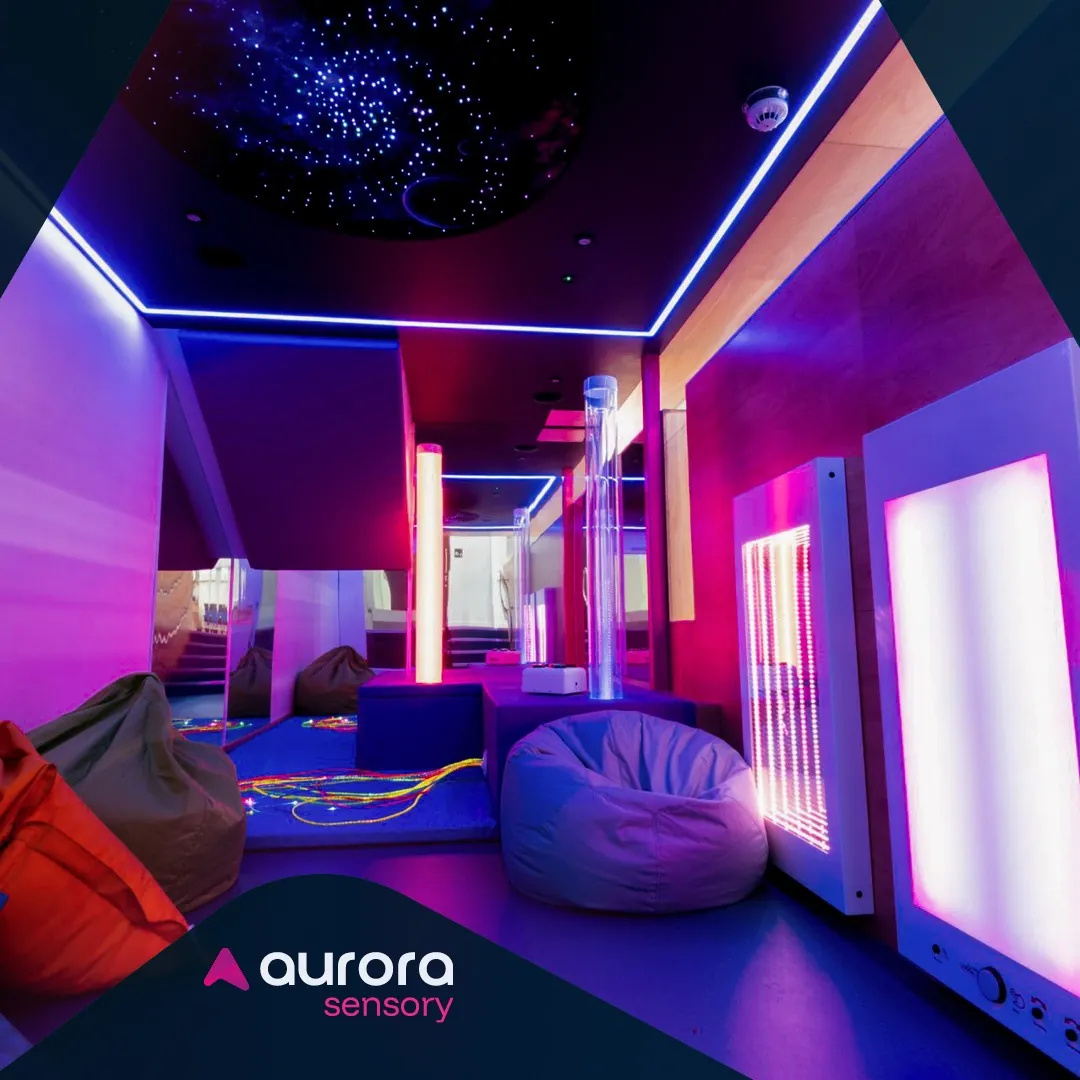
A sensory room, otherwise known as a sensory environment, is a dedicated space for multisensory exploration where a symphony of sight, sound, touch and scent work together to regulate emotions, relieve stress and anxiety and improve focus. Perfect for early years education, primary schools, SEND and alternative provision, as well as healthcare, care homes and family facilities, our sensory classrooms are fully bespoke and designed to meet the exact needs of your setting and those who use it.
Particularly useful for children and young people with sensory processing disorders, disabilities and cognitive conditions, these multi-sensory environments give individuals a safe and calming space to explore freely alone or as part of a larger class or peer group.
We work with a number of industry leading brands to bring you the best possible solutions, including Aurora Sensory and Integrex, and will work with you to build a space that meets your needs and fits your budget.
How do sensory spaces work?
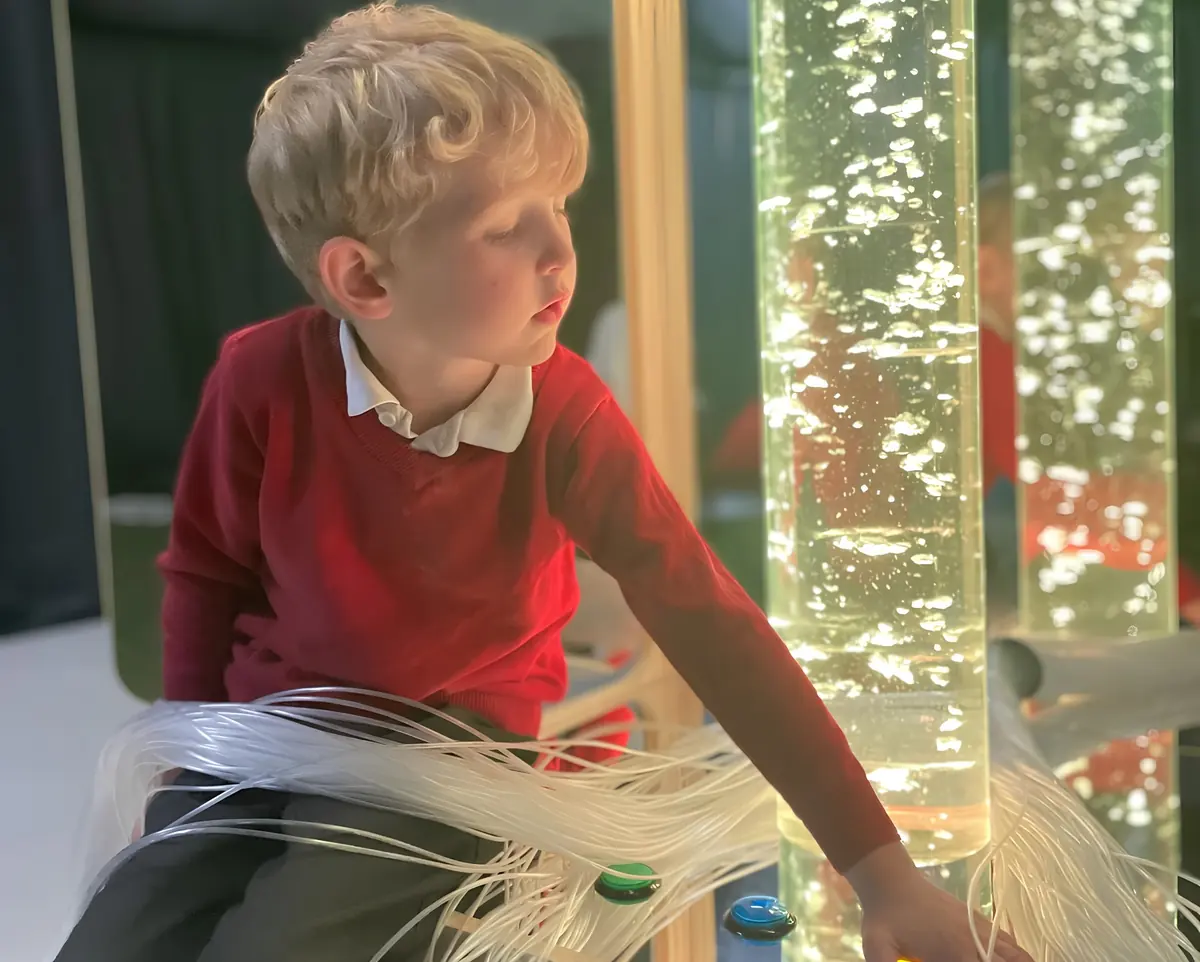
Sensory rooms offer a safe and controlled atmosphere where individuals can explore tactile and multi-sensory stimuli at their own pace. Perfect for prioritising wellbeing and self-regulation within schools and medical settings, these sensory spaces allow users to interact with features such as bubble tubes, fibre optic lighting, aroma diffusion and gentle vibration, helping them to regulate their emotions and identify what stimulates them most.
The key benefits
Calm stress and anxiety
Improve focus and attention
Self-regulation and emotional control
Supports social interaction
Enhance fine motor skills and coordination
Simulate cognitive and emotional wellness
Build a sensory space that meets your needs
Most commonly used in schools, SEN settings, care homes and healthcare settings, sensory rooms are a bespoke solution that can be designed to meet the individual needs of your users. To build your room, you can choose to incorporate the following:
Projection
Wizefloor
Wall Panels
Fibre Optics
Star Ceiling
Lighting
Bubbletubes
Vibration
Audio
Furniture
Different uses for your bespoke sensory environment
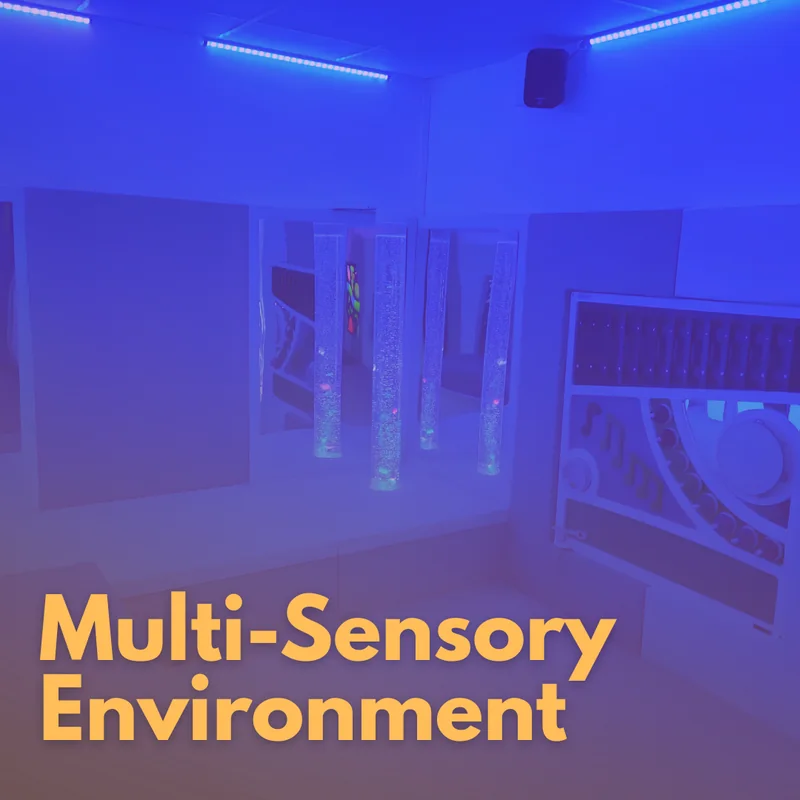
A multi-sensory room, or environment, is a specially designed space where children and young people can explore and engage with sensory experiences through a symphony of sight, sound, touch and scent.
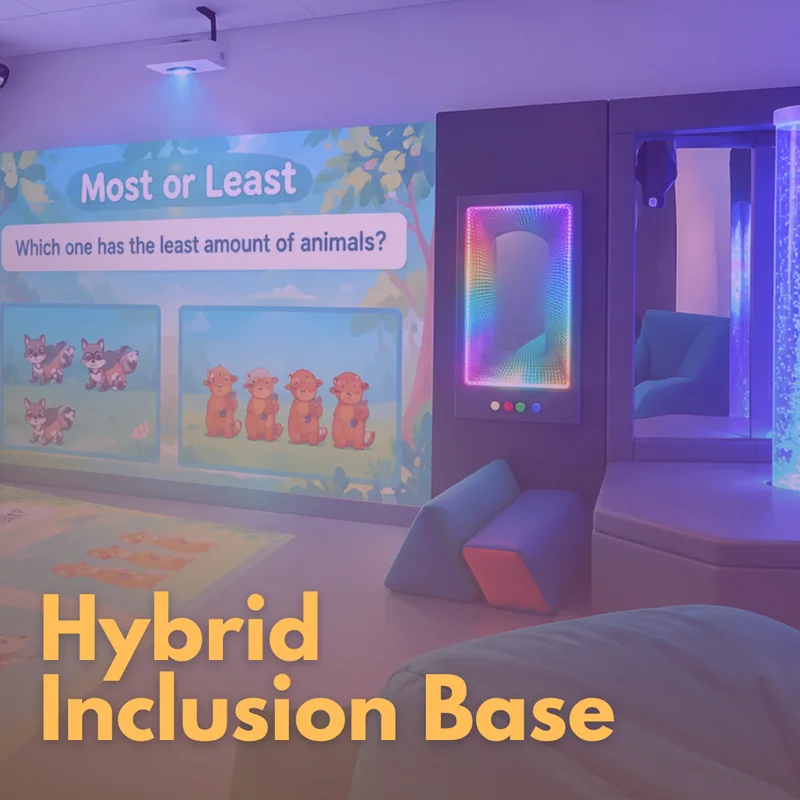
A hybrid inclusion base combines a sensory room and immersive room into one space, providing children and young people with an inclusion base that prioritises adaptability and provides an environment with low lighting and calming projection to promote emotional wellbeing and regulation.
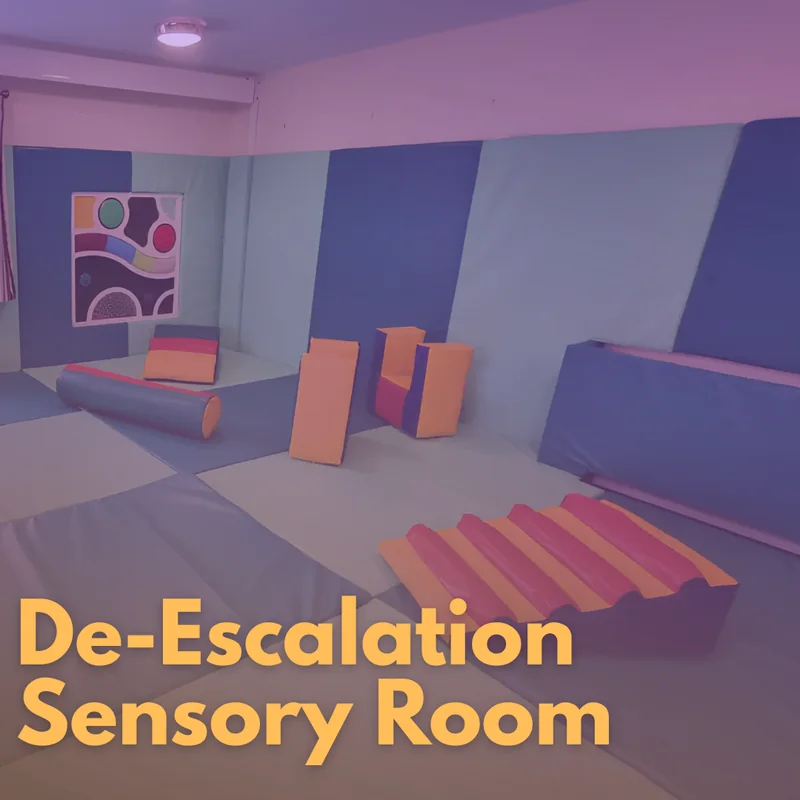
A de-escalation sensory room turns any space into a padded cocoon with multi-sensory features, such as soothing lighting, calming projection and a padded floor and walls. These environments are designed to offer children and young people a safe space to regain emotional balance and prioritise calm.
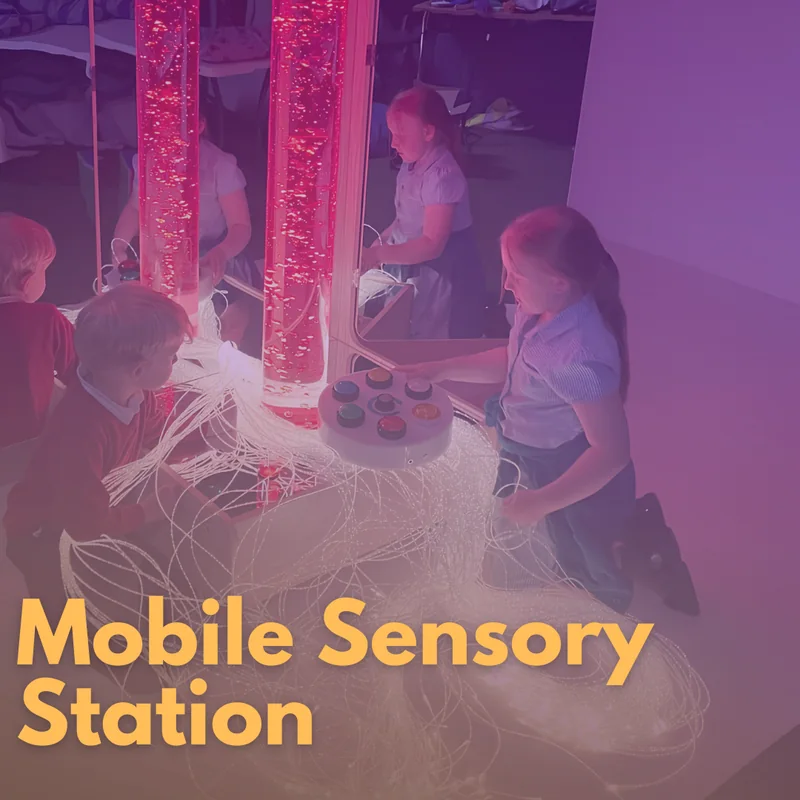
The SENse Station is a fully mobile sensory station designed to offer the benefits of a full sensory room without the need for a dedicated space. Company, easy to manoeuvre, and simple to set up, this sensory solution is perfect for schools, hospitals, day centres and care homes who want to prioritise emotional wellbeing but lack the space.
While sensory rooms are particularly helpful for children with special educational needs, children of every capability and age can benefit from a retreat to a multi-sensory environment. Sensory spaces are not just about emotional regulation; but also about reducing anxiety and de-stressing after a long day of learning, making them ideal not just for specialist SEN settings but mainstream schools too.
Are sensory rooms only for students with autism?
No. While children with autism and attention deficit disorders particularly benefit from time exploring a multi-sensory environment, children of all ages and capabilities are able to enjoy and unwind within a sensory space.
Can adults use sensory rooms or are they just for children?
Yes! Children, young people and even adults can benefit from spending time within a sensory room, particularly if they are feeling overwhelmed or overstimulated. The muted lighting, gentle sounds and calming visuals all work together to bring a sense of calm and help regulate emotions – even with adults.
How can schools use sensory rooms?
Schools can use a sensory room in a variety of different ways, including as a sensory regulation space, a wellbeing or calming room and even simply a classroom students can retire to after a long day of learning.
Got More Questions?
Considering investing in this product but still have questions unanswered? Contact our sales team or book your free demonstration to see this product in action.